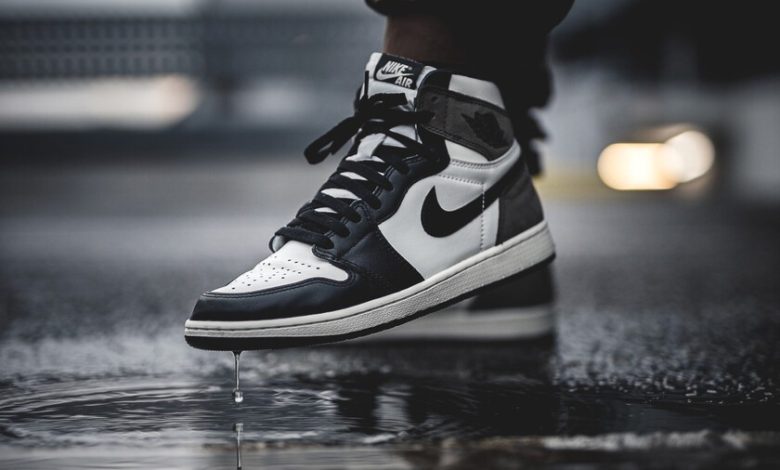
Feet sweat.
Bodies move.
Fabric gets damp.
That is normal. What we want is less smell and clean comfort without using heavy metals like silver or copper. You can do this with smart threads, smart linings, and a few build tricks that keep seams dry and happy.
The big idea (kid-simple)
Smell grows when sweat sits still.
So we help sweat leave fast, and we stop it from hiding in seams.
No metal flakes. No ion coatings. Just design that manages moisture and blocks micro-growth the gentle way.
Thread choices that help hygiene
1) Smooth, low-wick polyester
A smooth filament or fine corespun polyester sewing thread (polyester embroidery thread) slides through fabric and doesn’t drink much water. Pick anti-wick finishes (PFAS-free) for splash zones like toe boxes, armpits, and waistbands. This stops water from creeping along the seam like a tiny river.
2) Ticket size matters
Use the finest ticket that still passes strength tests. Smaller thread → smaller needle → smaller hole. Fewer holes mean less moisture path and less salt crust at stitch lines.
3) Non-leaching actives (metal-free)
Some hygiene threads carry polymer-bound quats or plant-based agents that don’t wash out quickly and don’t rely on metals. Ask suppliers for “non-leaching, heavy-metal-free” verification and wash-durability data.
4) Color that stays clean
Mid-tone or heather colors around sweat seams hide light salt marks between washes. The product looks fresher, so users keep wearing it, which is real sustainability.
Lining strategies that beat stink
Bi-layer knits
Choose a lining where the inside yarn pulls moisture off skin, and the outer yarn spreads it wide to air. This wicking + spreading combo is your first big step.
Spacer mesh windows
Add small panels of spacer mesh behind the tongue, heel collar, or upper back yoke. These tiny air tunnels let steam move away from hot spots.
Charcoal / coffee-infused yarns
These adsorptive yarns trap odor molecules without metals. Use them in insole topcloths, collars, and underarm gussets. A lighter fabric dries quickly.
Lyocell or merino blends (use wisely)
Lyocell moves moisture smoothly; merino helps with odor control. Use blends in zones that can dry fast. Avoid thick, slow-dry panels next to constant sweat.
pH-smart finishes
A mild acidic finish on the lining can make the surface less friendly to odor bugs. Make sure it’s skin-safe and survives washing.
Construction that keeps seams dry
- Map hot zones. Under toes, ball of foot, underarm, lower back. Put your best wicking/adsorptive linings there.
- Narrow bond lanes. Use water-based or heat films in narrow strips so the garment can breathe. Big glue swamps trap moisture and smell.
- Perforate smart. Add micro-perfs to foams or support films under the forefoot or armpit so vapor can escape.
- Flat seams on skin. Coverstitch or flatlock where the body rubs. Low bulk dries faster and holds less sweat.
- Removable insoles. Add a tiny pull tab and print “Air me daily.” People will actually do it.
Care label 2.0 (short and friendly)
“Air after wear. Remove insole. Wash cold, gentle. No softener (clogs pores). Dry in shade or low heat. Quick vinegar rinse sometimes for stubborn odor.”
One nice sentence can change behavior more than a long manual.
Testing that tells the truth
Dry-back time
Wet a panel to a set amount, then time how fast it returns to normal weight in moving air. Faster is better.
Sniff panel (real world)
After a wear cycle, seal samples for 24 hours, then open and grade 1–5. It sounds simple, and it works.
Bacterial growth screen (textile method)
Compare stitched coupons with standard thread vs. anti-wick / hygiene thread. You want a clear reduction without metals.
Wash durability
Run 10–20 home washes (or your industrial cycle), then repeat dry-back and odor tests. If performance dies after three washes, change the chemistry or move to adsorptive yarn solutions.
Quick spec you can copy
- Threads: Fine polyester with anti-wick finish in sweat seams; ticket as small as strength allows; optional metal-free hygiene finish in high-odor zones.
- Linings: Bi-layer knit + spacer mesh windows; charcoal-infused insole top; pH-smart finish where allowed.
- Foams: Open-cell, quick-dry; perforated under forefoot or back yoke.
- Adhesives: Water-based or heat film; narrow lanes; keep breathability.
- Seams: Flat where skin rubs; avoid stack-ups that hold damp.
Troubleshooting tabular representation
| Problem | Possible cause | Fast fix |
| Lingering sweat smell | Slow dry-back | Add spacer mesh; lighten foam; switch to bi-layer lining |
| Wet halo along seams | Wicking thread / big needle | Anti-wick thread; smaller needle; reduce tension |
| Sour odor after storage | Trapped moisture | Removable insoles; more perf; add “air me daily” cue |
| Skin itch reports | Harsh topical finish | Use polymer-bound, non-leaching chemistry; switch to mechanical (charcoal yarns, airflow) |
One-week pilot plan (small, real)
- Pick one shoe model or tee.
- Swap to anti-wick thread in sweat seams and bi-layer lining with spacer windows.
- Add charcoal topcloth to the insole (or odor-adsorbing gusset in apparel).
- Build 40 samples.
- Wear-test three days, air two nights, repeat.
- Run dry-back and sniff panels before and after five washes.
- Lock the combo that passes and feels best.
Planet angle (plain words)
Metal-free systems keep wash water cleaner and simplify approvals.
Faster dry-back means less energy in dryers.
Matching polymer families (poly fabric + poly thread + poly tape) makes recycling easier later.
Longer-lasting freshness means fewer early toss-outs. Less waste, more wear.
Wrap
Odor is not a mystery; it’s moisture that stays too long.
Choose low-wick, fine threads, build breathable linings that move sweat out, and use non-metal actives or adsorptive yarns where needed.
Keep seams flat, bond lightly, and teach simple care.
Do these small things right, and gear smells like care, not chemistry—first wear, and the fiftieth.

